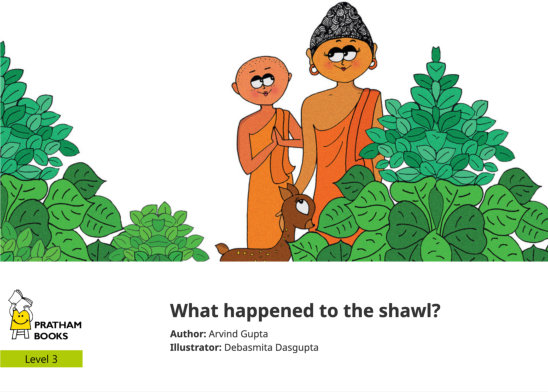
What happened to the shawl?
This ancient story from the life of the great sage, Gautama Buddha, carries a deep lesson about conservation. A disciple finds out that getting the Buddha to sanction a new shawl for him is no easy matter!
Kids Explore · Book category
Browse English books in Science & Technology. Age guidance and English difficulty are assessed separately.
Saved on this browser only. Book availability may change.
1,245 books
Reset filters
This ancient story from the life of the great sage, Gautama Buddha, carries a deep lesson about conservation. A disciple finds out that getting the Buddha to sanction a new shawl for him is no easy matter!
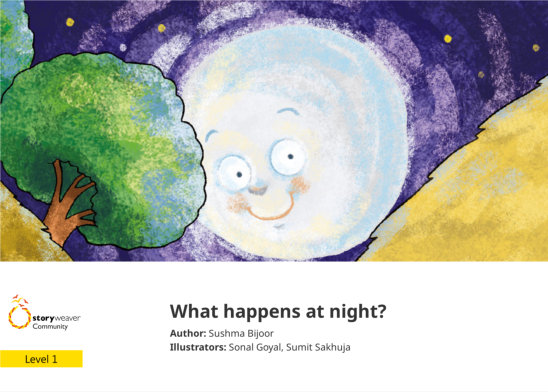
This is a simple story for very young children. They can have fun spotting animals (in one of the pages, the dog is mentioned in the text but not seen in the picture, the children will have to relate it to an earlier picture to find the dog!), practice animal names and also know that at night they just need to close their eyes and sleep and rest as the animals in the story are doing:)
PDF · Fixed page layoutIllustrations: not assessed
Categories: Children & Young Adult Reading Fiction Nature/Gardening/Animals School & Education Science & Nature
Readers: Kids
Suggested age: Not assessed
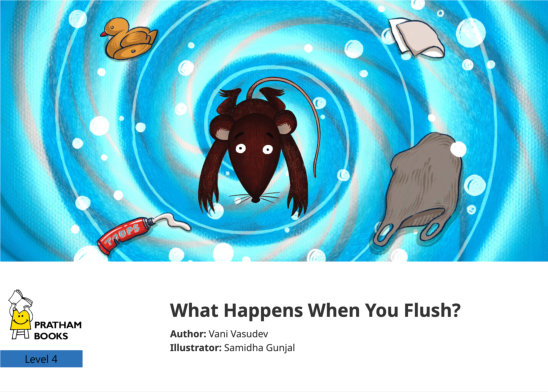
Nozy the pet rat finds himself in the underground sewers. It’s a good thing Cheeky is around to take him on a splashy, smelly adventure!
PDF · Fixed page layoutIllustrations: not assessed
Categories: Adventure Children & Young Adult Reading Crime, Thrillers & Mystery Engineering & Technology Fiction Humor Nature/Gardening/Animals Science & Nature
Collection: Editor’s Picks
Readers: Kids
Suggested age: Not assessed
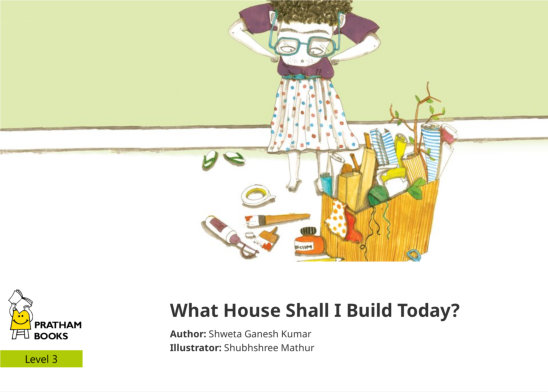
Did you know there are sandstone havelis in Jaisalmer, and houses with roofs made of wild grass in Nagaland? Cities have skyscrapers and there are houses powered by solar energy. Join Sulu and build the house you would like to live in.
PDF · Fixed page layoutIllustrations: not assessed
Categories: Engineering & Technology Human Interest Science & Nature
Collection: Editor’s Picks
Readers: Kids
Suggested age: Not assessed
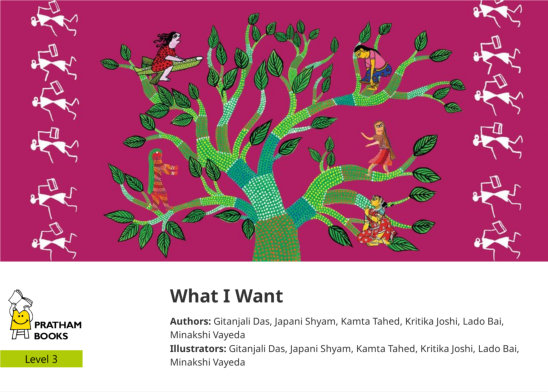
Six indigenous artists unite to share their dreams, hopes and aspirations in this unique book.
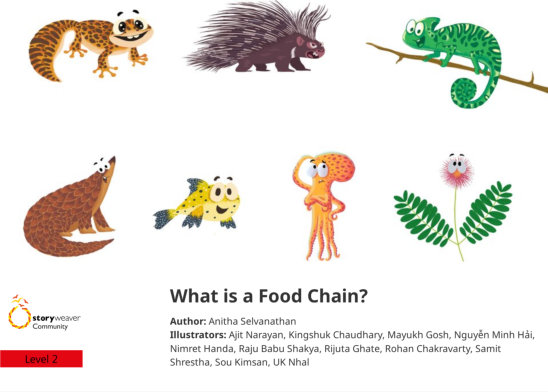
All living things eat to survive. But, what is a food chain? What are producers and consumers and what are the different types of consumer? Read to know.
PDF · Fixed page layoutIllustrations: not assessed
Categories: Children & Young Adult Reading Family & Friends Non-fiction School & Education Science - Biology Science & Nature
Readers: Kids
Suggested age: Not assessed
What is it? It isn’t like me. Do you think it’s dangerous?
PDF · Fixed page layoutIllustrations: not assessed
Categories: Children & Young Adult Reading Fiction Human Interest Nature/Gardening/Animals School & Education Science & Nature
Readers: Kids
Suggested age: Not assessed
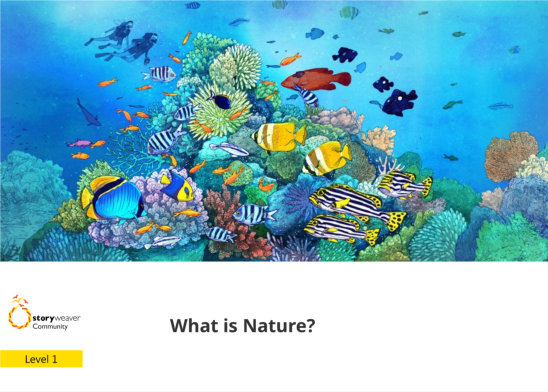
What is nature? Are plants and animals a part of nature? What are the other elements and processes of nature? Read to know...
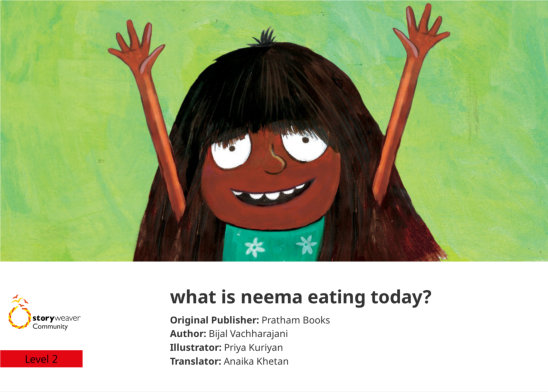
You know Neema who loves to eat. All kinds of fruits and vegetables, she loves all of them.
PDF · Fixed page layoutIllustrations: not assessed
Categories: Children & Young Adult Reading Engineering & Technology Human Interest Science & Nature STEM
Readers: Kids
Suggested age: Not assessed
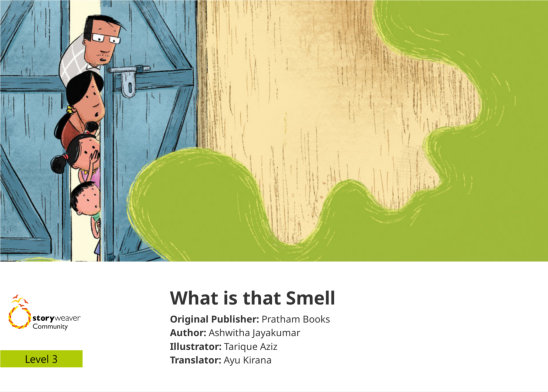
Something has eaten all of Madhav and Tara's food. A strange creature, something fluffy, or something invisible? What is it?
PDF · Fixed page layoutIllustrations: not assessed
Categories: Engineering & Technology Family & Friends Science & Nature STEM
Readers: Kids
Suggested age: Not assessed
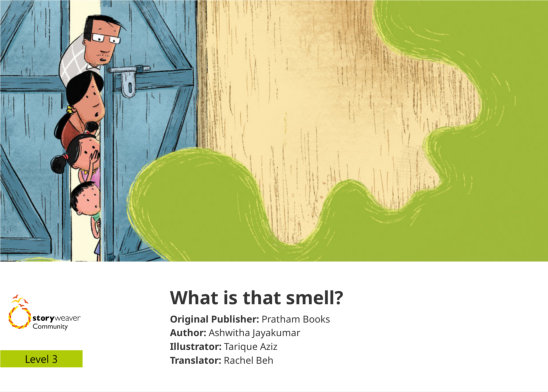
Someone ate all of Madhav's and Tara's food. Strange creatures, furry monsters, or something unseen? Who on earth is it?
PDF · Fixed page layoutIllustrations: not assessed
Categories: Engineering & Technology Family & Friends Science & Nature STEM
Readers: Kids
Suggested age: Not assessed
Suggested age, readers, English difficulty and US school grade are separate labels. Age groups are guidance based on source information or editorial review; unreviewed books are “Not assessed”. A US grade is assigned only with source information or a documented assessment; otherwise it is “Not assessed”. Levels use A1–C2 to indicate reading difficulty. StoryWeaver levels 1/2/3/4 use our approximate A1/A2/B1/B2 guide, labelled “estimated”; this is not an official equivalence. A book-specific assessment takes priority. Other unassessed books are labelled “Not assessed”. Source StoryWeaver levels are retained separately. Classics retain their original English.