
Library · Author

Books by Jerome, Jerome K. (Jerome Klapka)

Explore Books by Jerome, Jerome K. (Jerome Klapka). View reading guidance, credits and available free ebook downloads.

Writer: Jerome, Jerome K. (Jerome Klapka)

Advanced filters · 1 active
Clocks — typographic cover

Level C1 · pages · English

Clocks

Written by Jerome, Jerome K. (Jerome Klapka)

"Clocks" by Jerome K. Jerome is a humorous essay written during the late 19th century. This collection of reflections explores the eccentricities of clocks and their relationship to human behavior and timekeeping. Jerome uses a light-hearted tone to delve into the themes of exaggeration, pretense, and the human tendency to worship appearances over reality. In this witty narrative, the author recounts his experiences and observations concerning various types of clocks. He contrasts the reliable yet often frustrating clock that fails when relied upon with the whimsical clocks that are perpetually wrong but charmingly independent. Jerome shares a personal story about an old grandfather clock purchased for his home, which strikes unusual hours, causing a comedic series of events and worries among his family. The chaotic nature of the clock becomes a metaphor for life's unpredictability, illustrating the folly of trying to adhere strictly to time while also humorously critiquing societal pretensions and our obsession with maintaining appearances. Through laughter and keen observation, "Clocks" invites readers to ponder the deeper truths about time and human nature.

Explore book
Evergreens — typographic cover

Level C1 · pages · English

Evergreens

Written by Jerome, Jerome K. (Jerome Klapka)

"Evergreens" by Jerome K. Jerome is a reflective piece written in the early 20th century, described as a collection of essays or a philosophical commentary. The book centers around themes of steadfastness and resilience, drawing parallels between the characteristics of evergreen trees and the qualities of individuals who exhibit strength and constancy in life's challenges. Through a blend of whimsical anecdotes and serious reflections, Jerome explores the importance of valuing enduring relationships over fleeting superficial charms. In "Evergreens," Jerome presents a thought-provoking narrative on the nature of companionship and the virtues that truly matter in both friendship and romantic relationships. He contrasts the short-lived beauty of seasonal flowers with the enduring presence of evergreens, emphasizing how true strength lies in reliability and unchanging support throughout the seasons of life. Through humorous observations, such as those involving a bulldog and personal anecdotes, he illustrates the often-overlooked characters who, despite their unremarkable façades, offer profound loyalty and steadfastness when faced with life's adversities. Ultimately, Jerome urges readers to appreciate those who might seem dull or ordinary but are, in reality, vital pillars in the journey of life.

Explore book
Mrs. Korner Sins Her Mercies — typographic cover

Level C1 · pages · English

Mrs. Korner Sins Her Mercies

Written by Jerome, Jerome K. (Jerome Klapka)

"Mrs. Korner Sins Her Mercies" by Jerome K. Jerome is a comedic novel likely written in the early 20th century. The narrative revolves around Mrs. Korner, a young woman newly married to Mr. Korner, who feels embarrassed by her husband's overly mild demeanor. The book explores themes of gender roles and expectations within marriage, depicting the humorous clash between Mrs. Korner's desire for a more traditionally masculine husband and Mr. Korner's adherence to his own principles of moderation and decorum. The story unfolds with Mrs. Korner expressing her frustration over her husband’s lack of manliness during a conversation with her friend, Miss Greene. When Mr. Korner inadvertently gets drunk after meeting a cousin, he returns home in a state of disorder, which leads to a chaotic dinner where he critiques Mrs. Korner for her housekeeping skills while she, in turn, realizes her misconceptions about masculinity. The climax comes when Mr. Korner confronts the idea of masculinity and his wife's expectations, resulting in a humorous yet poignant resolution where both characters acknowledge their misunderstandings and come to terms with their differences. Through wit and spirited dialogue, Jerome K. Jerome illustrates the absurdities of societal norms during his time.

Explore book
Passing of the Third Floor Back — typographic cover

Level C1 · pages · English

Passing of the Third Floor Back

Written by Jerome, Jerome K. (Jerome Klapka)

"Passing of the Third Floor Back" by Jerome K. Jerome is a novel written in the early 20th century. The story centers around a mysterious stranger who arrives at a boarding house in Bloomsbury and profoundly impacts the lives of its residents. Through his interactions, he explores themes of human nature, empathy, and the transformation of society's values. The narrative begins with the arrival of the stranger at the boarding house run by Mrs. Pennycherry. As he settles in, each resident reacts to him in various ways, reflecting their own personalities and insecurities. The stranger's gentle approach and insightful observations lead to transformative conversations, revealing deeper truths and prompting self-reflection among the residents. For example, Miss Kite feels challenged and confronted about her superficiality, while the charming yet disingenuous Miss Devine grapples with her own identity and aspirations against societal expectations. The stranger's influence ultimately encourages the lodgers to embrace their better selves, suggesting a hopeful vision of individual growth and collective improvement in an increasingly complex world.

Explore book
Stage-Land — typographic cover

Level C1 · pages · English

Stage-Land

Written by Jerome, Jerome K. (Jerome Klapka)

"Stage-Land" by Jerome K. Jerome is a satirical collection of essays written during the late 19th century. This work humorously critiques theatrical conventions and character archetypes commonly found in dramatic productions of the time, such as the hapless hero, the flamboyant villain, and the melodramatic heroine. Jerome's tone highlights the absurdities inherent in these stereotypes, offering a mix of wit and insight into how theatre reflects societal norms and human nature. At the start of "Stage-Land," Jerome introduces a range of theatrical characters, beginning with the archetypal hero named George, who finds himself mired in misadventures largely driven by fate, while lacking practical skills. Following him are the villain, who is motivated by an unyielding yet unrequited love for the heroine, and the comic man who provides levity amid the onstage turmoil. Each character type is infused with exaggerated traits that showcase the clichés of stage productions, accompanied by Jerome's clever commentary on their absurdity. The opening sets the tone for a humorous exploration of the dramatic arts, making readers reflect on the conventions that define both the stage and real life.

Explore book
The Cost of Kindness — typographic cover

Level C1 · pages · English

The Cost of Kindness

Written by Jerome, Jerome K. (Jerome Klapka)

"The Cost of Kindness" by Jerome K. Jerome is a satirical short story written in the early 20th century. The narrative unfolds in a quaint English village, known as Wychwood-on-the-Heath, where the community is dealing with the departure of their vicar, Reverend Augustus Cracklethorpe. The likely topic of the book revolves around the complexities of human relationships, particularly exploring themes of kindness, misunderstanding, and the often ironic nature of public sentiment. The storyline centers on the interactions between Mr. and Mrs. Pennycoop and the Rev. Cracklethorpe as the couple seeks to extend a gesture of kindness to their departing vicar. Mrs. Pennycoop's sincere efforts to reconcile, despite the vicar's unpopularity and the congregation's previous resentment towards him, inadvertently reveal the hidden sentiments of the community. The unexpected turn of events leads to a dramatic farewell service in which the vicar, upon realizing that his congregation actually holds affection for him, decides to stay—conditional on the provision of financial support to hire a curate. The narrative humorously critiques human nature and the illusions that often cloud personal interactions, ultimately emphasizing that kindness, while often overestimated in its real cost, can unveil deeper truths in relationships.

Explore book
The Philosopher’s Joke — typographic cover

Level C1 · pages · English

The Philosopher’s Joke

Written by Jerome, Jerome K. (Jerome Klapka)

"The Philosopher's Joke" by Jerome K. Jerome is a novel published in the early 20th century, specifically around the late 1900s. The story delves into themes of perception, regret, and the philosophical contemplation of life choices. It presents a thought-provoking narrative that explores the nature of reality and human relationships through a blend of humor and depth. The plot revolves around a group of six friends who experience a collective dream or vision during a ball, where they are mysteriously presented with the opportunity to relive their youth with the knowledge of their future selves. This strange phenomenon forces them to confront their regrets and the choices they made in life. Each character grapples with the impact of their past decisions on their current happiness and relationships, questioning whether knowledge of the future would have changed their decisions. The story reveals the complications of love, the passage of time, and the essence of human experience, ultimately leading the reader to reflect on their own life journeys.

Explore book
The Soul of Nicholas Snyders; Or, The Miser of Zandam — typographic cover

Level C1 · pages · English

The Soul of Nicholas Snyders; Or, The Miser of Zandam

Written by Jerome, Jerome K. (Jerome Klapka)

"The Soul of Nicholas Snyders; Or, The Miser of Zandam" by Jerome K. Jerome is a novel written in the early 20th century. The story follows Nicholas Snyders, a cruel and miserly man living in Zandam, who is presented with an unusual opportunity to exchange his malevolent soul for a more virtuous one. The book delves into themes of redemption, the nature of the soul, and the consequences of one's actions. The narrative centers around Nicholas Snyders, who has lived a life dominated by greed and cruelty. One day, he encounters a mysterious pedlar who offers him a chance to have a soul exchanged with a young sailor, Jan, who aspires to marry the lovely orphan, Christina. After some contemplation, Nicholas makes the exchange, which transforms his demeanor and leads him to become kinder and more generous. However, as Nicholas begins to embrace his new life, Jan, now possessing Snyders' old soul, reverts to his former self, becoming hard-hearted and greedy. The story culminates in a confrontation, leading to irreversible changes for all characters involved and illustrating how the soul's true identity can significantly impact one's life and relationships. Ultimately, the book poses thought-provoking questions about identity, virtue, and the potential for change within us all.

Explore book
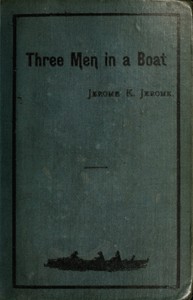
Three men in a boat (to say nothing of the dog) — typographic cover

Level C1 · pages · English

Three men in a boat (to say nothing of the dog)

Written by Jerome, Jerome K. (Jerome Klapka)

"Three Men in a Boat (To Say Nothing of the Dog)" by Jerome K. Jerome is a humorous novel published in 1889. Three friends and a dog embark on a two-week boating holiday up the Thames from Kingston to Oxford. What begins as a planned travel guide transforms into a comic masterpiece filled with misadventures, digressive anecdotes, and witty observations about everything from camping disasters to fishing mishaps. The humor remains fresh over a century later, capturing the timeless absurdities of friendship, leisure, and the great British pastime of muddling through.

Explore book

Suggested age, readers, English difficulty and US school grade are separate labels. Age groups are guidance based on source information or editorial review; unreviewed books are “Not assessed”. A US grade is assigned only with source information or a documented assessment; otherwise it is “Not assessed”. Levels use A1–C2 to indicate reading difficulty. StoryWeaver levels 1/2/3/4 use our approximate A1/A2/B1/B2 guide, labelled “estimated”; this is not an official equivalence. A book-specific assessment takes priority. Other unassessed books are labelled “Not assessed”. Source StoryWeaver levels are retained separately. Classics retain their original English.

App tour

Captured app screens · English Book Reader AI & Learn

App screen

If you own rights to material on this website, or are authorized to represent the owner, send the details below. We review notices and can restrict or remove access. For follow-up or a counter-notice, include your reference or email [email protected].