
A little reading, every day
Free English Books in PDF & EPUB
Read and download free English ebooks, from A1 picture stories to unabridged classics. Browse by English level, topic or format and keep the PDF, EPUB or TXT file.
English only
EPUB & PDF downloads
No account needed
A reading journey
Series & Collections
Follow connected stories in order, or find a collection and choose where to begin.
For young readers
Kids Books
Discover stories selected for children, for reading together or exploring independently.
Saved on this browser only. Book availability may change. 3,949 books "Findelkind" by Louise de la Ramee, also known as Ouida, is a poignant novel likely written during the late 19th century. Set against the backdrop of the majestic Tyrolean mountains, the narrative centers around a little boy named Findelkind, who is characterized by his dreamy disposition and profound sense of compassion. The book explores themes of innocence, faith, and the pursuit of nobility in a world that often seems indifferent to the struggles of the vulnerable. The story follows Findelkind, a nine-year-old boy, who, burdened by the legacy of his namesake from centuries past, embarks on a quest to emulate the charitable deeds of the original Findelkind. Despite his small stature and naive dreams, he strives to help the poor and build a monastery, believing he has a divine calling. However, as he sets out on his journey, he faces a harsh and unwelcoming world, where his good intentions often lead to ridicule and adversity. The narrative reaches a tragic climax when his actions unintentionally result in the loss of two beloved lambs, leading to a deep emotional turmoil within him. Ultimately, "Findelkind" is a touching exploration of childhood innocence, the complexity of intentions, and the painful lessons learned through experience. A tree tells a story about a boy, a girl and a dog who collect seeds and grow plants, and also look after trees. "Finished" by H. Rider Haggard is a historical novel set in the late 19th century, continuing the adventure of Allan Quatermain, a character previously introduced in Haggard's earlier works. The book serves as the third part of a trilogy that includes "Marie" and "Child of Storm." The narrative follows Quatermain as he navigates the political tensions of the Zulu War and grapples with themes of vengeance and destiny in his interactions with powerful figures like the wizard Zikali and King Cetewayo, along with modern characters like Maurice Anscombe. At the start of the narrative, the author introduces the historical backdrop of the events leading to the Zulu War, highlighting Quatermain's perspective on the annexation of the Transvaal. The opening chapters present a lively encounter between Quatermain and various characters, including Anscombe, who becomes his companion on a buffalo hunt. However, their adventure quickly spirals into danger as they face ambushes and conflicts with the Basutos, forcing them to seek refuge with Marnham, a man with a mysterious past. The tension between colonial forces and indigenous populations unfolds, foreshadowing the tribal complexities and personal struggles that will drive the plot forward. "Fire-Tongue" by Sax Rohmer is a detective novel likely written in the early 20th century. The story revolves around Paul Harley, an unofficial investigator who is drawn into a web of dangerous intrigue after a distinguished client, Sir Charles Abingdon, reveals that he believes his life is in jeopardy. As the narrative unfolds, the reader is introduced to themes of surveillance and espionage, setting the stage for a complex investigation that may involve powerful enemies and hidden motives. The opening of the book introduces Paul Harley during an uneventful day in his Chancery Lane office. He reflects on cases from his past when suddenly Sir Charles Abingdon arrives, visibly troubled and fearful. As they talk, Sir Charles details his concerns of being followed and mentions a recent assault against him. His account is punctuated by the unsettling notion that he has been the target of an unknown enemy connected to a mysterious figure he calls "Fire-Tongue." After agreeing to dine with Sir Charles that evening to discuss matters further, tragedy strikes when Sir Charles collapses and utters the name "Nicol Brinn" alongside "Fire-Tongue," leaving Harley to unravel the connections between these troubling names and the imminent peril that now surrounds him. Ana misses Goa. But she finds her new home fascinating. Everything seems so different in noisy Mumbai. In some tall buildings, she sees speakers and showers. Strange! They don’t ever come on until... PDF · Fixed page layoutIllustrations: not assessed Categories: Engineering & Technology Family & Friends Fiction Science & Nature Collection: Editor’s Picks Readers: Kids Suggested age: Not assessed "First Across the Continent" by Noah Brooks is a historical account likely written in the late 19th century. This narrative explores the monumental expedition led by Meriwether Lewis and William Clark, detailing their journey across the vast territories of the United States after the Louisiana Purchase in the early 1800s. The book likely examines both the challenges faced by the explorative team and the rich interactions they had with various Native American tribes, while shedding light on the geographical and cultural landscape of America during this pivotal period. The opening of the narrative introduces the context of the Louisiana Purchase, emphasizing the astonishment of Americans at acquiring such a vast territory and the political controversies surrounding President Jefferson's actions. It highlights the early organization of the Lewis and Clark expedition, including the selection of Lewis as the lead captain and his partnership with Clark. The passage sets the stage for the explorers to embark on their incredible journey into the largely unknown regions of the continent, as well as their mission of documenting flora, fauna, and indigenous cultures along the way. This initial chapter hints at the excitement and uncertainty of their undertaking, establishing a compelling backdrop for the adventures that follow. Long, long ago, when people lived in caves, two brothers in the northeastern part of India, now called Arunachal Pradesh, decided to build their own house. In a folktale that refers to the rich fauna of this region, we learn how the first house was built. Two friends think of building a house and take help of animals to get ideas and build their first house. Rabbit just transferred to a new school and hopes to make new friends. He thinks that if he wins first place in everything, then everyone will like him. Do you think Rabbit’s plan will work? PDF · Fixed page layoutIllustrations: not assessed Categories: Children & Young Adult Reading Family & Friends Fiction Nature/Gardening/Animals School & Education Collection: Editor’s Picks Readers: Kids Suggested age: Not assessed Verity and Olly see the first snowfall for winter. They learn about how snow is made and get to play on the snow. A boy named Chips goes fishing with his father and sees fish under the surface. He makes friends with a fish and decides to adopt it. "Fisherman's Luck and Some Other Uncertain Things" by Henry Van Dyke is a contemplative collection of essays written during the late 19th century. With an emphasis on the art of angling, Van Dyke explores the intricacies and joys of fishing, intertwining anecdotes, philosophical musings, and reflections on nature and human experience. The reader is invited to delve into themes of uncertainty, luck, and the unexpected pleasures of life, particularly as expressed through the pursuit of fishing. The opening of the work sets the stage for a delightful dialogue on the nuances of fisherman greetings and the inherent unpredictability of the sport. Van Dyke reflects on the retrieval of personal joy and solace found in fishing, suggesting that the true essence of angling lies not solely in the catch but also in the connection to nature and the companionship it fosters. He paints vivid imagery of serene landscapes and whimsical encounters that highlight the connection between simplicity, nature, and profound life lessons. This establishes a tone that invites readers who appreciate the outdoors, contemplative reflections, and the harmonious blend of personal narratives within nature to engage with the text. Suggested age, readers, English difficulty and US school grade are separate labels. Age groups are guidance based on source information or editorial review; unreviewed books are “Not assessed”. A US grade is assigned only with source information or a documented assessment; otherwise it is “Not assessed”. Levels use A1–C2 to indicate reading difficulty. StoryWeaver levels 1/2/3/4 use our approximate A1/A2/B1/B2 guide, labelled “estimated”; this is not an official equivalence. A book-specific assessment takes priority. Other unassessed books are labelled “Not assessed”. Source StoryWeaver levels are retained separately. Classics retain their original English.
Want to read

Findelkind
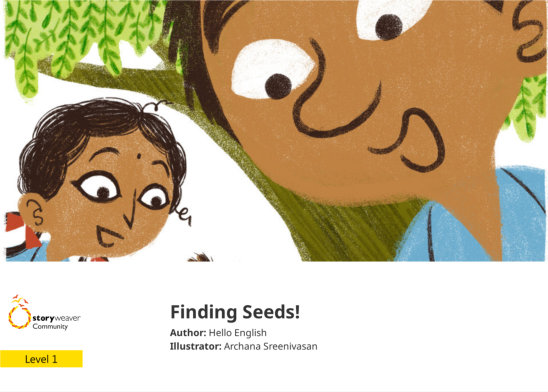
Finding Seeds!

Finished

Fire-Tongue
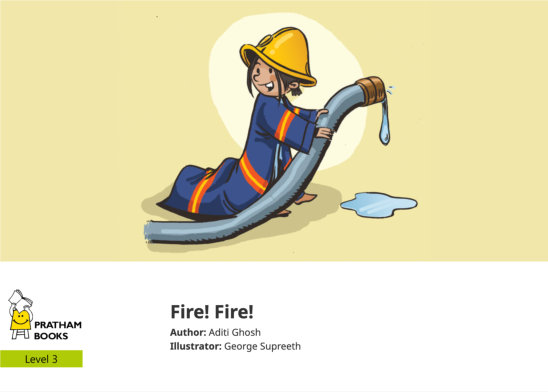
Fire! Fire!

First Across the Continent The Story of the Exploring Expedition of Lewis and Clark in 1804-5-6
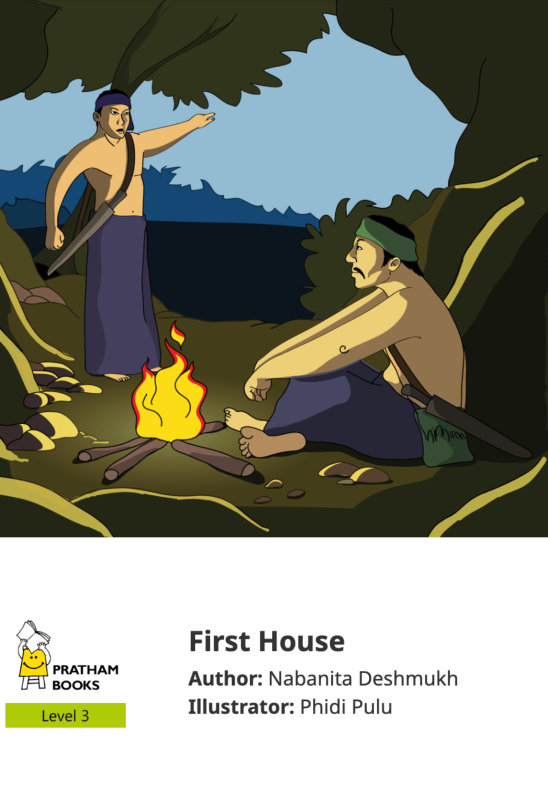
First House
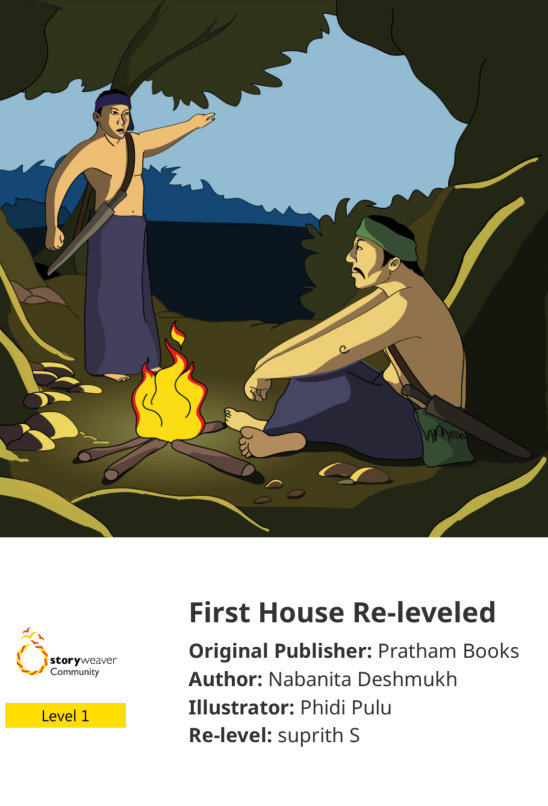
First House Re-leveled
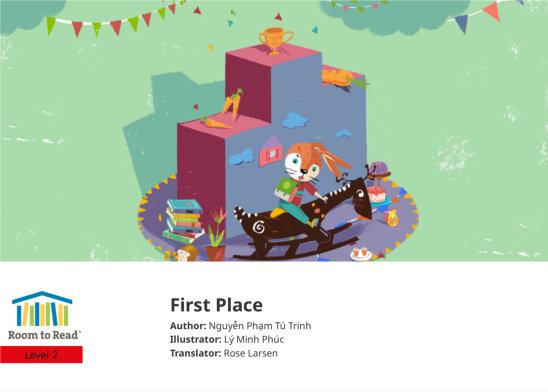
First Place
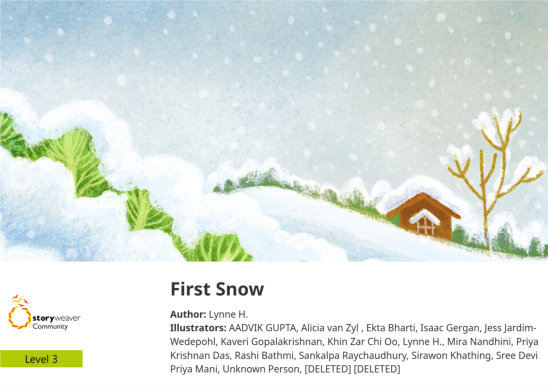
First Snow
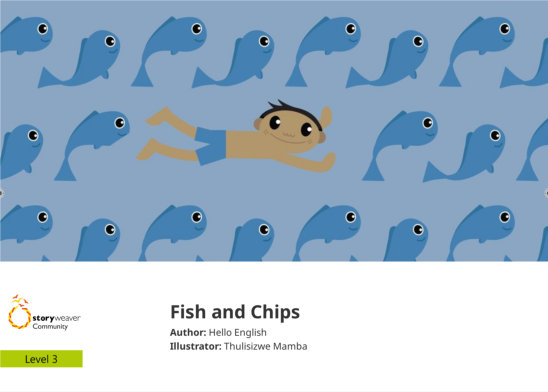
Fish and Chips
Fisherman’s Luck and Some Other Uncertain Things
From a free ebook to your next reading habit.
These illustrated stories were created for children. Their short chapters and visual clues can also help English learners find an approachable place to start.
- Choose a story and download its PDF.
- Read it in your usual PDF reader, or save it to Files on your phone.
- In English Book Reader AI & Learn, open the import menu, choose Choose a PDF and select the saved file. You can then read, listen and explore English in context.
PDF downloads are free. App features and paid options are separate. Explore the app.
Shared with permission, credited with care.
This library includes openly licensed StoryWeaver stories and reviewed public-domain classics. Each book page explains its source, credits and reuse terms. Public-domain status depends on the country and exact edition. CC BY books require appropriate credit, the license link and an indication of changes.
Author, illustrator, publisher and original credits appear on each book page and inside the PDF. PDF formatting or safety changes are described on the book page. These books remain governed by their own license; app subscription terms do not restrict those rights. English Book Reader is an independent collection, with no endorsement by the original creators or StoryWeaver implied.
Have a question about a book or its credits? Contact us.