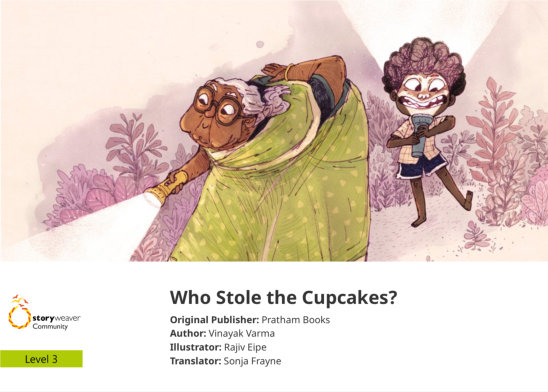
Who Stole the Cupcakes?
Someone stole all of Ammachi's cupcakes! Come play detective with Ammachi and Sooraj, and find clues, set traps and catch the thief!
Library · Book category
Books about science, animals and the natural world.
Saved on this browser only. Book availability may change.
398 books
Reset filters
Someone stole all of Ammachi's cupcakes! Come play detective with Ammachi and Sooraj, and find clues, set traps and catch the thief!
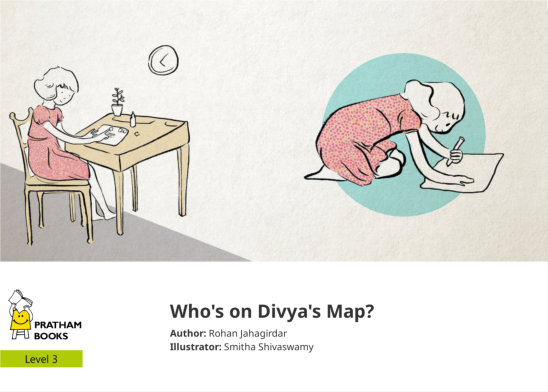
Divya is excited that her cousin Ravi is going to come to Gajapur soon. But she is not sure how he will find her house. Would a map help?
PDF · Fixed page layoutIllustrations: not assessed
Categories: Engineering & Technology Fiction Science & Nature STEM
Readers: Kids
Suggested age: Not assessed
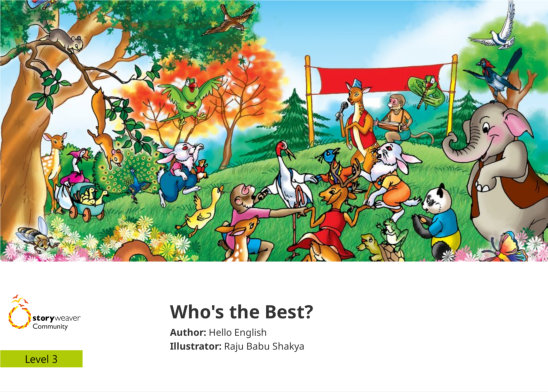
A man calls a dance and performance competition for animals, and lots of wildlife turn up to take part. The winner donates a prize to the charity of their choice, so the competition for first place is fierce.
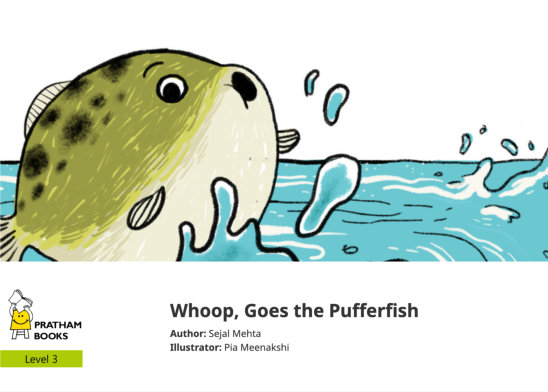
A baby Pufferfish is stuck in a shallow pool of seawater. Will it find its way back home to the sea?
PDF · Fixed page layoutIllustrations: not assessed
Categories: Children & Young Adult Reading Engineering & Technology Nature/Gardening/Animals Science & Nature
Collection: Editor’s Picks
Readers: Kids
Suggested age: Not assessed
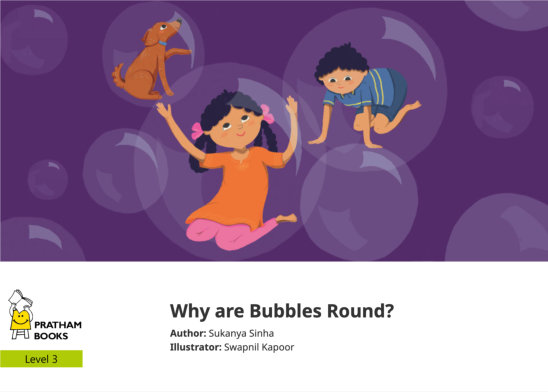
Maya and Manu want to see if they can make bubbles of different shapes. Like them, you too can learn about bubbles and their shapes.
PDF · Fixed page layoutIllustrations: not assessed
Categories: Engineering & Technology Fiction Science & Nature STEM
Readers: Kids
Suggested age: Not assessed
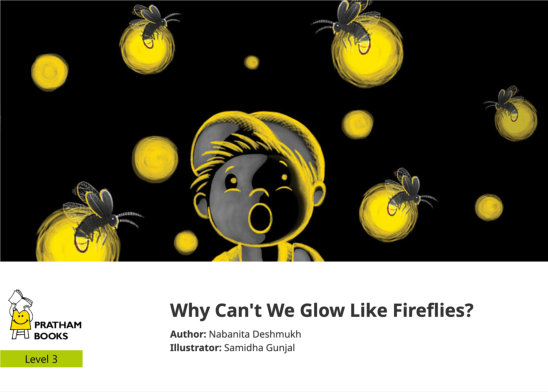
Did you know that fireflies are also called lightning bugs? And did you know that baby fireflies use their glow to chase away predators? Jump right into this book if you want to find out more about these creatures that light up the dark.
PDF · Fixed page layoutIllustrations: not assessed
Categories: Engineering & Technology Non-fiction Science & Nature
Collection: Editor’s Picks
Readers: Kids
Suggested age: Not assessed
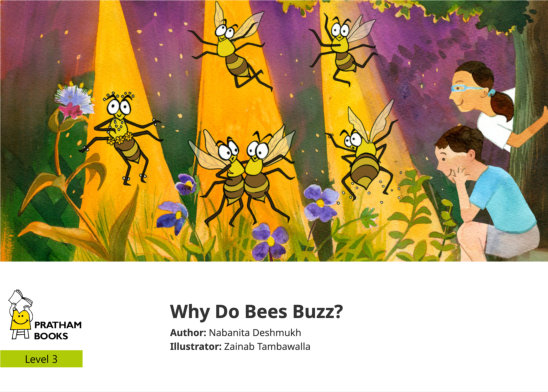
Why can't bees work quietly? They buzz because there are some very good reasons to do so. Learn about the humble bees in this book.
PDF · Fixed page layoutIllustrations: not assessed
Categories: Engineering & Technology Non-fiction Science & Nature STEM
Readers: Kids
Suggested age: Not assessed
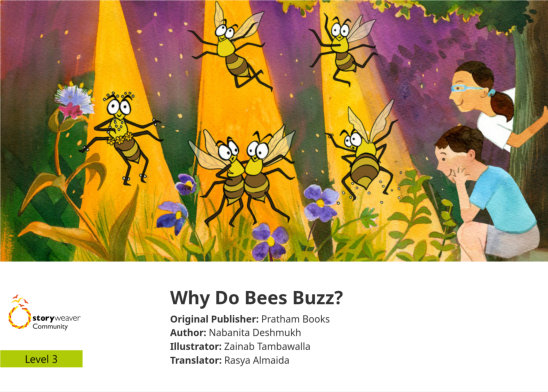
Why can't bees work silently? They buzz with purpose. Come learn about bumble bees with this book.
PDF · Fixed page layoutIllustrations: not assessed
Categories: Engineering & Technology Non-fiction Science & Nature STEM
Readers: Kids
Suggested age: Not assessed
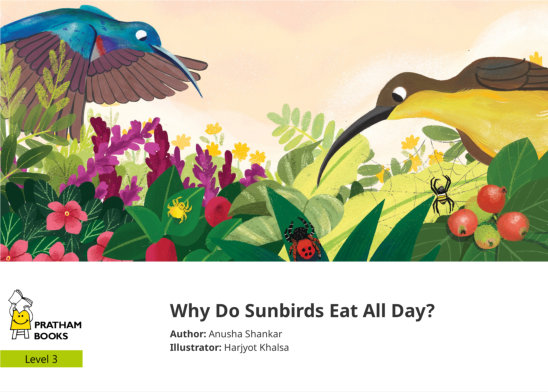
Have you ever seen small colourful birds flying about in your garden? Why do they keep flitting from flower to flower? How do they get the energy to stay up in the air? Follow the two sunbirds, Loten and Lily, to find out.
PDF · Fixed page layoutIllustrations: not assessed
Categories: Children & Young Adult Reading Engineering & Technology Nature/Gardening/Animals Non-fiction Science & Nature
Collection: Editor’s Picks
Readers: Kids
Suggested age: Not assessed
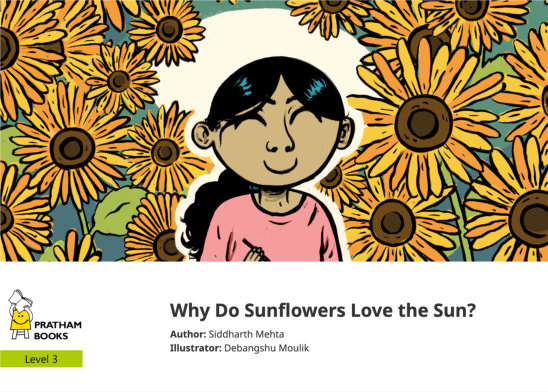
All Viveka wants to do is paint the perfect picture of the sunflower field next to her house. But why won’t the flowers stay still?
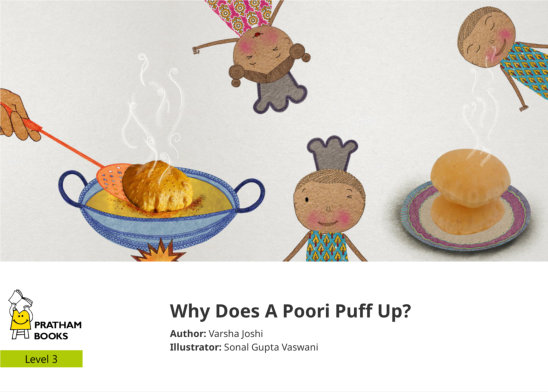
Round, fat pooris are a treat in most Indian homes. Why do they puff? There is a whole lot of science behind this simple question.
PDF · Fixed page layoutIllustrations: not assessed
Categories: Engineering & Technology Non-fiction Science & Nature STEM
Readers: Kids
Suggested age: Not assessed
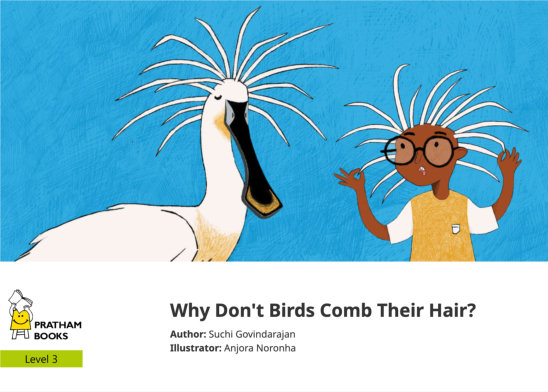
Some birds have hair that sticks out in funny ways. What would you do if you had hair like that? Read this book to meet some fascinating birds.
PDF · Fixed page layoutIllustrations: not assessed
Categories: Children & Young Adult Reading Engineering & Technology Humor Nature/Gardening/Animals Science & Nature
Collection: Editor’s Picks
Readers: Kids
Suggested age: Not assessed
Suggested age, readers, English difficulty and US school grade are separate labels. Age groups are guidance based on source information or editorial review; unreviewed books are “Not assessed”. A US grade is assigned only with source information or a documented assessment; otherwise it is “Not assessed”. Levels use A1–C2 to indicate reading difficulty. StoryWeaver levels 1/2/3/4 use our approximate A1/A2/B1/B2 guide, labelled “estimated”; this is not an official equivalence. A book-specific assessment takes priority. Other unassessed books are labelled “Not assessed”. Source StoryWeaver levels are retained separately. Classics retain their original English.