A little reading, every day
Free English Books in PDF & EPUB
Read and download free English ebooks, from A1 picture stories to unabridged classics. Browse by English level, topic or format and keep the PDF, EPUB or TXT file.
English only
EPUB & PDF downloads
No account needed
A reading journey
Series & Collections
Follow connected stories in order, or find a collection and choose where to begin.
For young readers
Kids Books
Discover stories selected for children, for reading together or exploring independently.
Saved on this browser only. Book availability may change. 3,949 books This tale explains why toads have bumpy backs and can live away from water. PDF · Fixed page layoutIllustrations: not assessed Categories: Family & Friends Fiction Nature/Gardening/Animals Collection: Editor’s Picks Readers: Kids Suggested age: Not assessed Tortoise wants a home to protect herself from the heat and the rain. How will the tortoise build it? PDF · Fixed page layoutIllustrations: not assessed Categories: Children & Young Adult Reading Fiction Nature/Gardening/Animals Science & Nature Readers: Kids Suggested age: Not assessed The fish tells the Whale about a man 'of infinite-resource-and-sagacity.’ What happens when the Whale goes searching for him? PDF · Fixed page layoutIllustrations: not assessed Categories: Adventure Classics Crime, Thrillers & Mystery Fiction Nature/Gardening/Animals Science-Fiction & Fantasy Collection: Editor’s Picks Readers: Kids Suggested age: Not assessed Did You know how the Zebra got it's stripes? This is an interesting story of a Zebra and it's friend Baboon. PDF · Fixed page layoutIllustrations: not assessed Categories: Mythology, Legends & Folklore Nature/Gardening/Animals Readers: Kids Suggested age: Not assessed An otter passes on wisdom to a group of otter pups. Listen in to find out more about these wonderful river creatures. PDF · Fixed page layoutIllustrations: not assessed Categories: Engineering & Technology Nature/Gardening/Animals Science & Nature Collection: Editor’s Picks Readers: Kids Suggested age: Not assessed Ri a lovely little girl who love butterflies teaching us how to catch a butterfly. A tale of a beautiful bond between a little girl and the nature and lovely childhood memories of chasing a butterfly. PDF · Fixed page layoutIllustrations: not assessed Categories: Family & Friends Nature/Gardening/Animals Science - Biology Science & Nature Sports/Hobbies Readers: Kids Suggested age: Not assessed What do wings, kites and a wind turbine’s blades all have in common? Each one’s motion is powered by the wind. PDF · Fixed page layoutIllustrations: not assessed Categories: Children & Young Adult Reading Engineering & Technology Fiction Humor Science & Nature Collection: Editor’s Picks Readers: Kids Suggested age: Not assessed In a tiny school in the Uttarakhand hills,
Himani and her classmates learn how to
solve real-life problems. The story takes
you through her diary entries as she learns
the steps to solve problems, big and small. PDF · Fixed page layoutIllustrations: not assessed Categories: Engineering & Technology Family & Friends Fiction Human Interest Personal Development School & Education Science & Nature Collection: Editor’s Picks Readers: Kids Suggested age: Not assessed "How to Tell Stories to Children, and Some Stories to Tell" by Sara Cone Bryant is a guidebook on the art of storytelling intended for educators and parents, written in the late 19th century. This work explores effective storytelling techniques suited to children's educational and emotional development and offers a collection of stories that can be told in engaging ways. The author aims to highlight how storytelling can facilitate children's understanding, joy, and moral growth. At the start of the book, Bryant reflects on the powerful impact that storytelling has on both children and adults, drawing from her experiences as a lecturer. She emphasizes the difference between reading a story and telling it, stating that storytelling allows for more connection and spontaneity with the audience. Bryant sets the tone for the rest of the book by outlining the purpose of storytelling in educational settings, emphasizing that stories are meant to entertain and spark joy in children while subtly imparting valuable life lessons. She introduces the idea that good stories often contain action, familiar yet imaginative themes, and elements of repetition that appeal to young listeners. EPUB · Layout not assessedPDF · Fixed page layoutIllustrations: not assessed Categories: Children & Young Adult Reading How To ... Teaching & Education Readers: Adults Suggested age: 12+ (AI estimate) "How to Tell the Birds from the Flowers: A Manual of Flornithology for Beginners" by Robert Williams Wood is a whimsical, illustrated guidebook published in the early 20th century. This unique work blends elements of poetry and humor, aiming to help readers distinguish between birds and plants through playful comparisons. The notable characteristic of this book is its creative approach to natural observation, making it an educational yet entertaining read. The content comprises a series of humorous verses and illustrations that cleverly juxtapose various birds with corresponding plants, encouraging readers to observe their distinctive traits. Each pairing, such as the "Crow" with the "Crocus" and the "Pea" with the "Pewee," provides lighthearted commentary on how to tell these entities apart based on their behaviors, appearances, or sounds. Wood’s playful tone invites beginners to engage with nature in a fun way, making this manual a delightful introduction to the world of flornithology while fostering a sense of curiosity and appreciation for the natural world. This is the story of Amma who leaves no stone unturned to get her laddoo back. Does she finally get it back? PDF · Fixed page layoutIllustrations: not assessed Categories: Children & Young Adult Reading Mythology, Legends & Folklore Nature/Gardening/Animals Readers: Kids Suggested age: Not assessed Brave Zebra saves the day. PDF · Fixed page layoutIllustrations: not assessed Categories: Family & Friends Fiction Mythology, Legends & Folklore Nature/Gardening/Animals Science-Fiction & Fantasy Readers: Kids Suggested age: Not assessed Suggested age, readers, English difficulty and US school grade are separate labels. Age groups are guidance based on source information or editorial review; unreviewed books are “Not assessed”. A US grade is assigned only with source information or a documented assessment; otherwise it is “Not assessed”. Levels use A1–C2 to indicate reading difficulty. StoryWeaver levels 1/2/3/4 use our approximate A1/A2/B1/B2 guide, labelled “estimated”; this is not an official equivalence. A book-specific assessment takes priority. Other unassessed books are labelled “Not assessed”. Source StoryWeaver levels are retained separately. Classics retain their original English.
Want to read
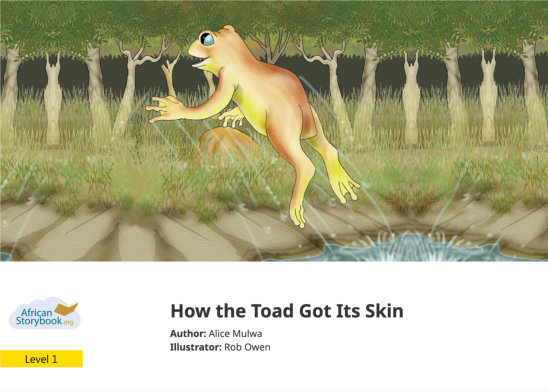
How the Toad Got Its Skin
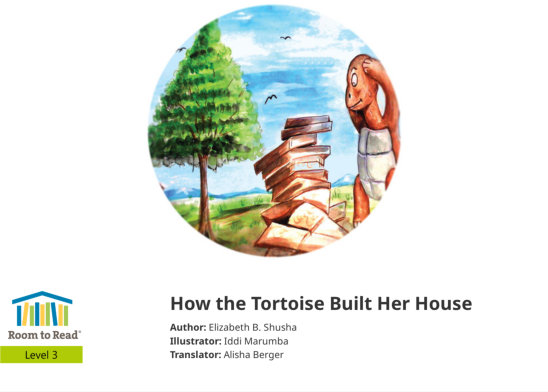
How the Tortoise Built Her House
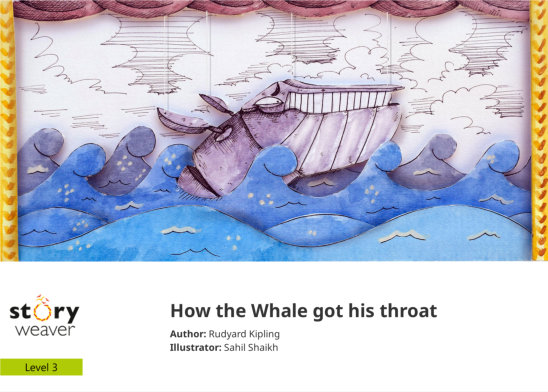
How the Whale got his throat
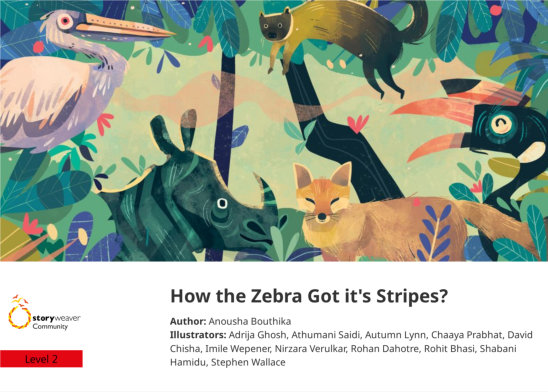
How the Zebra Got it’s Stripes?
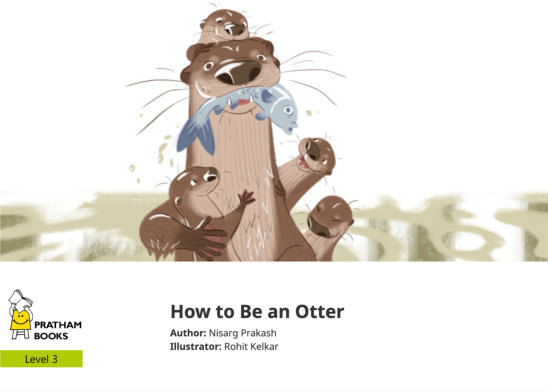
How to Be an Otter
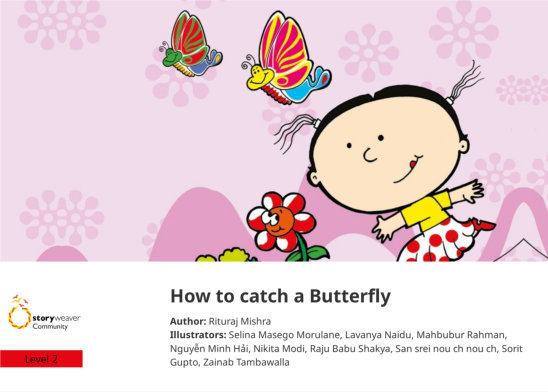
How to catch a Butterfly
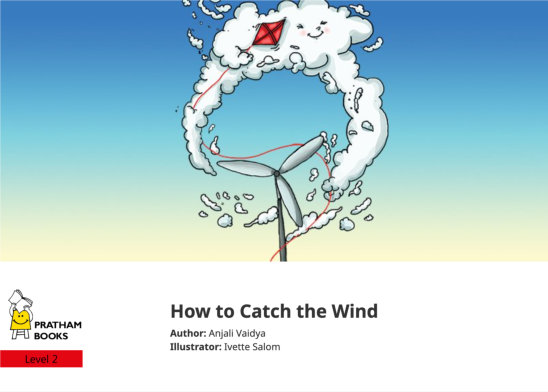
How to Catch the Wind
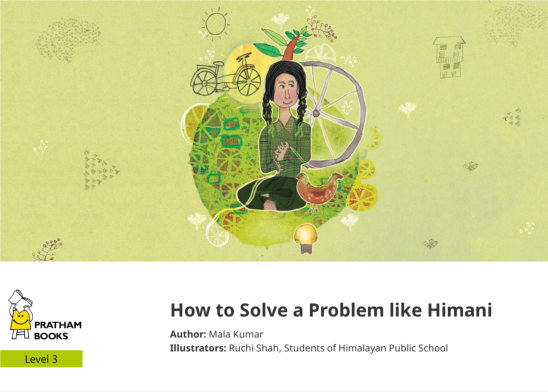
How to Solve a Problem like Himani
How to Tell Stories to Children, and Some Stories to Tell
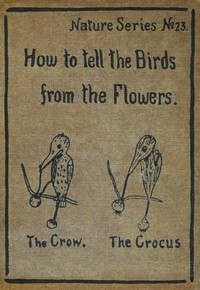
How to Tell the Birds from the Flowers: A Manual of Flornithology for Beginners
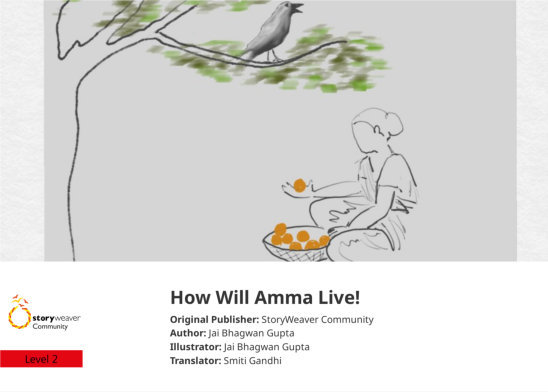
How Will Amma Live!
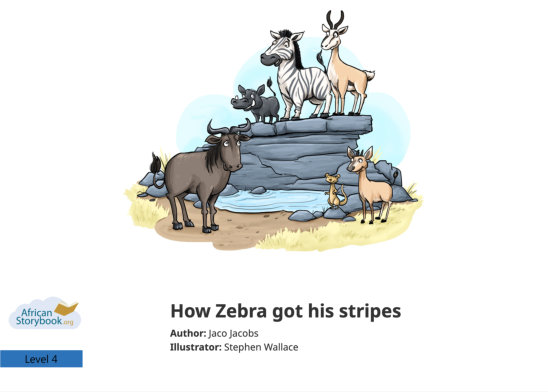
How Zebra got his stripes
From a free ebook to your next reading habit.
These illustrated stories were created for children. Their short chapters and visual clues can also help English learners find an approachable place to start.
- Choose a story and download its PDF.
- Read it in your usual PDF reader, or save it to Files on your phone.
- In English Book Reader AI & Learn, open the import menu, choose Choose a PDF and select the saved file. You can then read, listen and explore English in context.
PDF downloads are free. App features and paid options are separate. Explore the app.
Shared with permission, credited with care.
This library includes openly licensed StoryWeaver stories and reviewed public-domain classics. Each book page explains its source, credits and reuse terms. Public-domain status depends on the country and exact edition. CC BY books require appropriate credit, the license link and an indication of changes.
Author, illustrator, publisher and original credits appear on each book page and inside the PDF. PDF formatting or safety changes are described on the book page. These books remain governed by their own license; app subscription terms do not restrict those rights. English Book Reader is an independent collection, with no endorsement by the original creators or StoryWeaver implied.
Have a question about a book or its credits? Contact us.